Planning a South African safari usually comes down to one tricky decision: do you book the solid comfort of a lodge, or go for the closer-to-nature feel of a tented camp? It is the question almost every traveler wrestles with, and the safari lodge vs tented camp debate has no single right answer. Both options come with real beds, hot showers and guided game drives, yet the experience at each feels surprisingly different.
In this guide, we break down the core differences between the two stay types, compare what each typically costs, and look at how they handle the seasons. We also cover where each sits on the wildlife experience, who should choose which, and the booking tips that help you reserve the right room at the right time. By the end, you should know exactly which stay suits your budget, travel dates and safari style.
Safari Lodge vs Tented Camp: The Core Differences
The safari lodge vs tented camp question starts with construction. A lodge is a permanent building: solid walls, glass windows, air conditioning and en-suite bathrooms, often with pools, restaurants and other hotel-style amenities attached. You close a proper door at night, and the outside world stays outside.
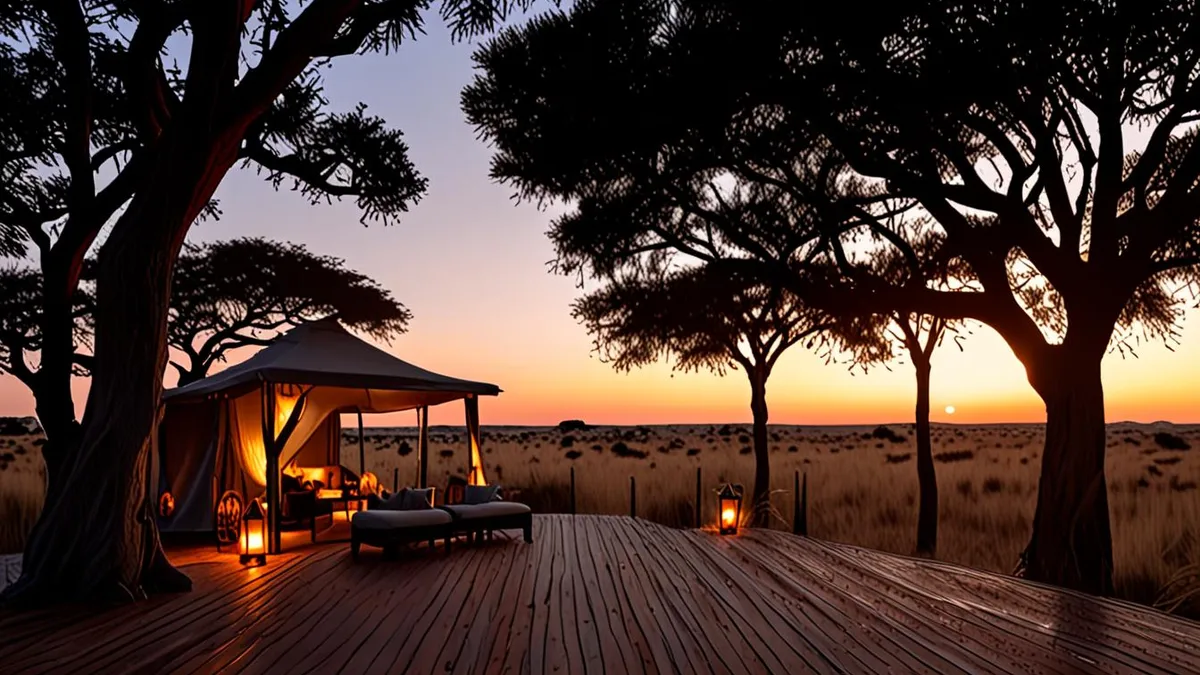
A tented camp takes a different approach. The structures are canvas, set on fixed platforms, but this is not camping in the traditional sense. You still get real beds, en-suite plumbing and daily housekeeping. The difference is the layer between you and the bush: a zip and a sheet of canvas instead of brick and glass. Sounds carry through, from rustling grass to a lion calling after dark.
Which setup suits which traveler?
Lodges suit travelers who prioritize climate control, sealed rooms and the predictability of hotel-style amenities. If you want the bush by day and a cool, quiet room by night, a lodge delivers that. Tented camps suit travelers who prioritize atmosphere: the sensation of waking up inside the landscape, with the sound of the bush as your alarm clock. Neither option is more authentic than the other; they simply trade comfort and immersion in different measures, and knowing which trade you prefer is the first step to booking the right safari stay.
Price Comparison: What Each Stay Type Costs
Price is where the safari lodge vs tented camp decision gets practical for most travelers. Safari lodges typically range from $250 to $1,000+ per person per night, and that rate is usually all-inclusive: meals, drinks and two daily game drives are generally built in. Luxury tented camps typically range from $150 to $600 per person per night, often with similar inclusions but simpler finishes, so you pay less without necessarily giving up the core safari experience.
Timing matters as much as stay type. Mid-season and green-season rates can drop 20 to 40 percent below peak pricing at both lodges and camps, which means the same tent or suite can cost noticeably less if your dates are flexible. If you are comparing safari accommodation styles more broadly, it also helps to see how private villas with scenic pools fit into the price picture, since they sit at a different point of the comfort-and-cost scale.
- Check what “all-inclusive” actually covers. Some rates include premium drinks and laundry; others charge separately, so two similar nightly rates can end up costing very different amounts per stay.
- Compare per-person, not per-room. Lodge and camp rates are usually quoted per person sharing, so a solo traveler often pays a single supplement that changes the math.
- Ask about conservation or park fees. These are usually billed separately from the nightly rate and change regularly, so confirm the current amount with your operator before booking.
Comfort and Weather: How Each Handles the Seasons
Comfort on safari depends heavily on when you travel. From May to September, the dry season brings cool mornings and mild days, which suits both lodges and tented camps equally well. You will want a warm layer for dawn game drives, but neither stay type struggles in these conditions, and the canvas-and-breeze setup of a tent feels pleasant rather than punishing.
The green season, from October to April, is a different story. Heat, rain and insects become part of daily life, and this is where lodge air conditioning turns into a real advantage rather than a luxury. A sealed, cooled room gives you a proper escape from midday temperatures and a refuge from mosquitoes.
How canvas handles the rains
Heavy summer rains fall from December to February, and in some reserves tents are usually closed or waterlogged during this period, while others stay open but can feel damp and humid. Tented camps rely on open-air ventilation, which is wonderful in dry weather but lets in dust, insects and noise. Lodges, with their solid walls and glass windows, offer sealed rooms that keep out dust, mosquitoes and the chill of cold dawn drives. If your dates fall in the wetter, hotter months, weigh that climate control carefully before choosing canvas; if you are traveling in the dry season, both stay types will handle the weather comfortably and the choice comes down to atmosphere instead.
Wildlife Experience and Camp Location
Whether you sleep behind solid walls or canvas, your days usually follow the same rhythm: two guided game drives daily, one at dawn and one in the late afternoon. These drives are when animals are most active, and a good guide can make or break the experience. The real differences show up in where you sleep, how many people you share sightings with, and what rules apply to your vehicle.
Location matters more than accommodation style here. If your stay sits inside a private game reserve, you typically get night drives and off-road tracking, which means your vehicle can leave the track and follow a leopard into the thicket. National parks generally do not allow this, so sightings stay at a distance and end by sundown.
Size also shapes your experience. Small tented camps often have just 8 to 12 tents, so a single vehicle at a sighting feels like a private moment. Larger lodges may host 30-plus guests, and radio chatter spreads news of a kill faster, but you may find three or four vehicles already lined up by the time you arrive.
- Waterhole proximity: Many tented camps are positioned close to waterholes or rivers, so elephants and antelope often wander within sight of the dining area between drives.
- Guides and spotters: Smaller camps frequently pair a guide with a dedicated tracker who reads tracks and signs from the vehicle’s front seat, increasing your odds of finding predators.
- Vehicle sharing: At intimate camps you usually get a window seat on every drive, while busier lodges may rotate seating so everyone gets a front row at least once.
- Curfew and flexibility: Private concessions often let guides linger at a good sighting or stay out slightly past sundown, something park rules typically prevent.
Who Should Choose Which Stay Type
There is no universally better choice, only a better fit for your trip. Start with your travel companions and your tolerance for heat and rough edges. Families with young children usually do better in a lodge, where solid walls, air conditioning, pools and accessible walkways make daily life easier. If you cannot sleep without cool air, a canvas tent in the green season may test your patience.
Tented camps shine for couples and repeat safari-goers. The romance factor is real: lantern-lit paths, a bucket shower under the stars and lions calling in the dark create the safari many people picture. With only a handful of other guests, dinners feel personal and guides learn your interests quickly.
Experience level also plays a role. First-timers often prefer the predictability of a lodge, while seasoned travelers return to small camps for the exclusivity and flexibility. Photographers, meanwhile, get a quiet advantage at camps: waterholes sit right outside the canvas, so you can shoot at first light before the day’s drives even begin.
- Mobility needs: Lodges more commonly offer ramp access, wider doorways and step-free paths, while many tented camps have raised platforms reached by sandy or uneven walkways.
- Anniversaries and honeymoons: Small camps often include private dinners, outdoor baths and turn-down touches that suit celebration trips better than a busy lodge dining room.
- Light sleepers beware: The bush soundtrack at a camp means hyenas and lions may be audible at 2 a.m., which thrills some guests and keeps others awake.
- Children’s programs: Larger lodges more often run kids’ activities and family-specific drives, something most intimate tented camps cannot staff for.
Booking Tips: When to Reserve Your Safari Stay
The best safari stays are small by design, and small means limited availability. A camp with ten tents can sell out a full year before your dates, especially in peak season, and popular lodges in prime locations fill even faster. Planning ahead is not optional if you have specific lodges or camps in mind, because there is rarely a comparable substitute once the space is gone. Unlike city hotels, where a sold-out night simply means booking next door, remote camps have no convenient alternative nearby, so flexibility on dates or location becomes your biggest asset.
- Lock in peak-season dates early. For June to August travel, reserve 6 to 12 months ahead. This matters most for small camps with only a handful of units, where a single booking takes a meaningful share of capacity.
- Consider the shoulder months. May, September and October typically offer better availability and lower rates than the busiest weeks, while game viewing remains strong around the edges of the dry season.
- Ask exactly what is included. Game drives, park or conservation fees, drinks and laundry are not always bundled the same way. Two similar nightly rates can differ sharply once extras are added, so request a full inclusions list before you compare prices.
- Confirm payment and cancellation terms. Remote camps often require deposits well in advance and apply stricter cancellation policies than ordinary hotels, so read the fine print before committing.
Once you have your shortlist, email or call each property with the same set of questions so answers are easy to compare side by side. If your dates are flexible, tell the reservations team; they can often suggest quieter weeks, a nearby sister property with space, or a rate that is not advertised publicly. Mention any special requirements at this stage too, from dietary needs to children’s ages, since some camps have minimum age policies. A little extra planning here usually pays for itself in both rate and experience, and it removes the stress of scrambling for a last-minute option when everything worth booking is already full.
Wrapping Up Your Choice
So, which stay suits you best? If comfort, air conditioning and family-friendly practicality top your list, a safari lodge is the safer pick. If you crave atmosphere, intimacy with fewer guests and a lower entry price, a tented camp will likely steal your heart.
The real answer comes down to matching your stay type to your travel season, your budget and your wildlife priorities before you book. A traveler chasing big-five sightings in peak season has different needs from a couple hunting romance on a shoulder-month budget. Whichever way you lean, we’d love to hear about your choice—leave a comment or share this article with a fellow safari dreamer.