A Finnish Lapland lodge sounds magical in photos: snow-covered log cabins, a glowing sauna by a frozen lake, aurora overhead. But when nightly rates climb toward peak-season levels, it’s fair to wonder what you actually get for that money. Is the cabin heated properly? Is the food any good? Will the northern lights really appear outside your window?
This guide walks through exactly what to expect, so you can judge whether the price matches the experience. We’ll cover where lodges sit and how to pick between Rovaniemi, Levi and the far north, what the different cabin types offer, how the sauna and wellness facilities work in practice, what the food is like, which winter activities you can book on-site, and how to time your reservation to get the best value. By the end, you’ll know precisely what you’re paying for when you book that cabin in the snow.
Where Finnish Lapland Lodges Sit and How to Choose a Location
Your choice of location shapes almost everything about a Lapland lodge stay: how long it takes to arrive, how dark the night skies are and how much you’ll pay per night. Finnish Lapland stretches far enough north that conditions differ noticeably between the south and the far north, so it pays to match the setting to your priorities.
Rovaniemi suits first-timers who want the easiest logistics. The city has a well-connected airport, and Santa Claus Village sits about 6-8 km from it, making a family day trip simple. Lodges in the surrounding area are typically 20-60 km from the airport hub, so confirm transfer options at booking.
Ski access versus deep wilderness
The Kittilä and Levi area is the sweet spot for skiers, offering ski-in access and the widest selection of mid-range winter stays. Restaurants and slopes sit close by, so you get lodge comfort without isolation.
Head further north to Saariselkä or Ivalo for darker skies, deeper snow and a quieter, more wilderness-focused feel. For maximum privacy, remote lakeside and riverside lodges sit 30-60 km from towns, trading convenience for real silence and excellent night-sky conditions. Check road access and transfer costs before committing, as remote stays can add extra winter driving.
Rooms and Cabin Types at a Finnish Lapland Lodge
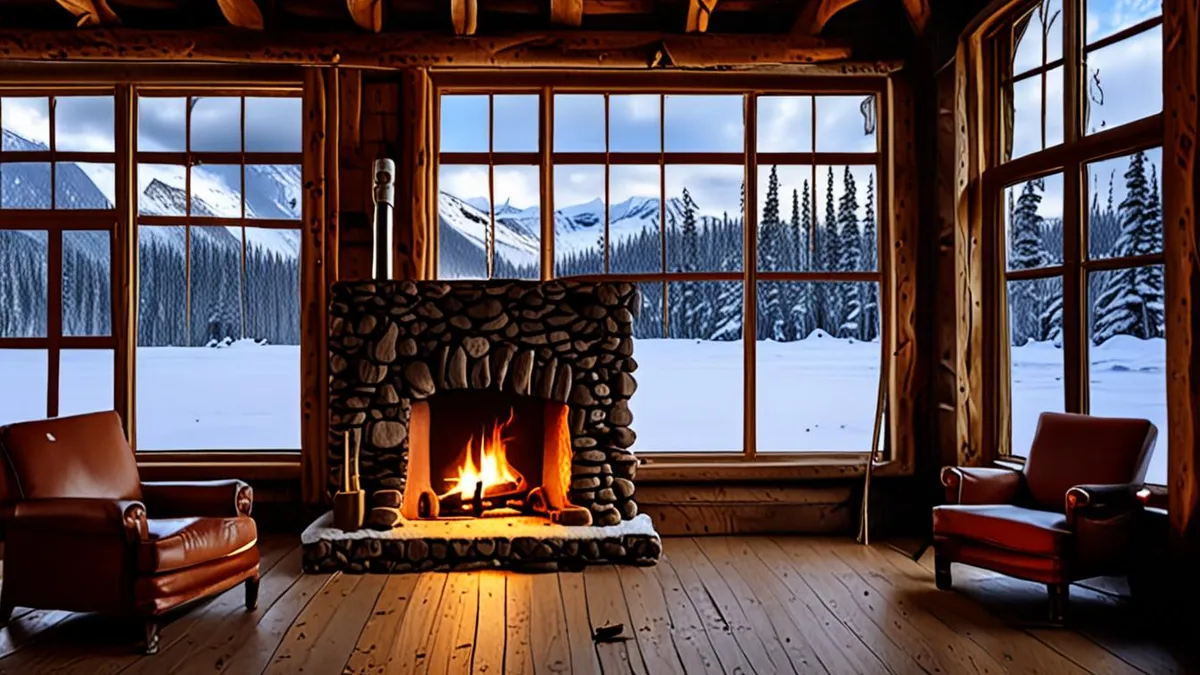
The word “cabin” covers a wide range at Finnish lodges, so check the room type carefully before booking. Standard log cabins are the baseline: they sleep 2-6 people and come with a fireplace, kitchenette and private sauna as the expected setup. That private sauna is the detail that surprises many first-time visitors — it’s genuinely standard, not an upgrade. Most cabins also include drying cabinets for wet outerwear, which sounds minor until you’ve spent a day outside in falling snow.
Daylight lasts only 3-6 hours in midwinter, so expect blackout curtains and heated floors throughout. The floors make more difference than you’d think when temperatures outside can sit well below freezing for days on end. Good insulation and warm interior finishes are part of the standard build here, not luxuries reserved for top categories.
Beyond the standard cabins, most lodges offer two step-up categories, each with distinct features:
- Glass-roofed aurora cabins: a heated glass panel above the bed lets you watch the northern lights without going outside, and this visibility comes at a 30-50% premium over standard rooms. The glass stays clear even in deep cold, so you can lie back and scan the sky comfortably.
- Lodge suites and Arctic suites: floor space of 40-70 m², panoramic windows and private hot tubs, designed for longer stays or special occasions. These suit families or couples celebrating something, and they book up fastest.
- Fireplace setups: higher-category cabins usually add a larger open fireplace with firewood included, which becomes the evening gathering point for the whole group after a day on the trails.
If aurora viewing is the main reason for your trip, a glass-roofed cabin is the most direct way to enjoy it from bed on cold nights. Just confirm at booking whether the glass panel is above the bed or elsewhere in the room, since layouts vary between lodges. Ask about wake-up alerts too — some properties will notify you when activity starts.
Sauna Culture and Winter Wellness Facilities
Sauna is not an add-on at a Finnish lodge — it’s the heart of the stay. Nearly every property includes a wood-fired or electric sauna, and many lodges on lakeshores add a lakeside smoke sauna, which produces a softer, gentler heat than a regular sauna. Expect to use it daily; locals typically sauna several times a week, and lodge guests quickly fall into the same rhythm.
If your lodge sits on a lake, ask about avanto, the traditional ice-hole dip. Staff cut a hole in the frozen lake surface, and you alternate between the hot sauna and a brief plunge — usually paired with a heated changing hut nearby. It sounds extreme, but the post-dip glow is exactly why Finns keep the tradition alive.
Wellness facilities beyond the sauna
Many properties round out the offering with outdoor hot tubs, fire-heated kota huts for warming up between activities, and massage rooms geared toward post-ski recovery. Check what’s included in your rate versus paid separately.
Sauna etiquette is relaxed and communal at Finnish lodges, and guests often share the main sauna in swimwear. If you’d rather sauna privately, private time slots are usually bookable — just ask at reception when you check in.
Food and Dining at Arctic Lodges
Food at a Finnish Lapland lodge follows a simple pattern: hearty, local and predictable. Half-board is the standard arrangement at most properties, meaning your stay includes both breakfast and dinner. Dinners are built around classic Lapland ingredients — reindeer in various forms, salmon, and berries like lingonberry and cloudberry — with root vegetables and potatoes filling out the plate. The cooking is rustic rather than fancy, which suits the setting perfectly after a day out in the cold.
Breakfast is a buffet served daily from 7:30 to 10:00 at most lodges. Expect rye bread, porridge with toppings, cloudberry jam, cheeses, cold cuts, and strong Finnish coffee that will quickly become part of your morning routine. It is a filling start designed to carry you through short winter days, when daylight lasts only a handful of hours and you will be outdoors for much of it.
Special dinner settings
Many lodge restaurants go beyond the regular dining room and host special dinners in a kota grill hut, a traditional wooden teepee-style building where food is cooked over an open fire in the center. Others arrange meals under glass roofs so you can watch for the northern lights while you eat. These dinners usually need to be reserved a day or two ahead, so ask at reception when you arrive.
Dietary needs are handled well at Lapland lodges, but only if you request them at booking. Menus are small and pre-planned, so a vegetarian, vegan or gluten-free meal is prepared in advance rather than improvised. Mention allergies when you reserve your stay and confirm again at check-in, and you should have no trouble eating well all week.
Winter Activities Booked Through the Lodge
One of the biggest advantages of staying at a lodge rather than a plain hotel is the activities desk. Most Lapland lodges organize guided excursions directly, so you can book everything on-site without hunting for outside operators in town. Prices and schedules vary by property and season, so check the current program when you arrive or when you book your stay.
Husky sledding and reindeer farm visits are the signature experiences, and most first-time visitors do at least one of the two. Both typically run 2-4 hours and cost roughly €100-250 per person depending on the length of the route and the group size. Snowmobile safaris run both in daylight and after dark, with aurora-hunting versions usually departing around 20:00-22:00 once the skies have darkened.
Northern lights tours are a natural fit here, since lodges are deliberately located away from town lights. The far north offers roughly 150-200 potential viewing nights per season, though of course cloud cover decides what you actually see on any given night. Some tours simply drive a short distance to a good vantage point, while others combine the search with snowmobiling or a campfire dinner.
- Thermal gear is included: most lodges loan thermal suits, insulated boots and gloves free with every booked excursion, so you do not need to buy or pack heavy Arctic clothing for a one-week trip.
- Group sizes matter: husky and snowmobile excursions often run in small groups with a guide leading on a separate sled or snowmobile, so ask whether the listed price is per person driving or per person riding.
- Age and license rules apply: driving a snowmobile typically requires a valid driver’s license and a minimum age, while husky sledding usually has child-friendly options — confirm both with the lodge before booking.
- Book early in peak season: during Christmas and February ski weeks, popular excursions fill up days in advance, so reserve your spots as soon as your stay is confirmed.
Booking a Finnish Lapland Lodge: Timing and Prices
Timing your booking well makes a real difference in Finnish Lapland, both for availability and price. For the busiest periods — Christmas, New Year and the February ski weeks — you should book 4-6 months ahead. These weeks sell out at the most popular lodges, and nightly rates climb to €800+ per night, especially for glass-roofed cabins and larger suites. If you want a specific cabin type, waiting until autumn is a gamble.
The shoulder winter weeks are the smart traveler’s alternative. Late November and March offer the same deep snow and the same chance of northern lights, but rates start from about €250 per night. Late November brings the polar darkness and early-season atmosphere, while March adds lengthening daylight and milder temperatures. Both are excellent choices if your dates are flexible.
Getting there and choosing a package
Because most lodges sit a considerable drive from the nearest airport hub — Rovaniemi, Kittilä or Ivalo are your practical entry points — the transfer is a real part of your trip, not an afterthought. Transfer arrangements vary widely between properties: some offer scheduled shuttle services, others arrange private taxis or expect you to book a transfer separately. Confirm the transfer at booking, and check current flight routes and schedules with your operator, since winter connections change from year to year. A snowy road after a long flight is the last thing you want to negotiate on your own.
When comparing prices, look at half-board packages rather than room-only rates. Once you add up restaurant dinners and the excursions you would book anyway, half-board usually comes out cheaper and saves you daily planning in a remote location with few alternatives nearby. Ask the lodge how the transfer cost is calculated — per person or per vehicle — as this can change the math significantly for couples versus families. If you are arriving on a late flight, also confirm whether the lodge can hold dinner for you or prepare something in your cabin, since kitchens in the wilderness do not run late.
Wrapping Up Your Lapland Lodge Stay
A Finnish Lapland lodge in winter delivers exactly what the price suggests: a warm cabin to return to, a daily sauna to thaw out in, hearty half-board meals built around reindeer and salmon, and guided Arctic activities stepping straight from the door. If you have been struggling to picture whether a remote Arctic stay lives up to its cost, the short answer is that the comfort, food and experiences are bundled together, so the nightly rate covers far more than just a room.
Your two biggest decisions shape the rest. Location matters most, since choosing between the Rovaniemi area, the Levi region and the far north changes both what you pay and how dark the skies above your cabin will be. Timing comes second: booking 4-6 months ahead secures glass-roofed cabins and peak-season dates at the best rates available. Get those two choices right, and the rest of the stay tends to fall into place. If this helped you picture your Lapland trip, leave a comment or share the article.