Queenstown has one of the widest lodge price spreads in New Zealand. On the same street you can find a simple room for under NZD 150 and a full-service luxury lodge where a night can top NZD 2,000. With that kind of range, it is genuinely hard to know what a fair price looks like, and many travelers either overpay or book something that does not match their expectations.
This price guide breaks down what a lodge stay in Queenstown costs at each level, how the seasons move rates up and down, and what you actually get for your money. We will also look at view premiums, booking timing, the extras that inflate the final bill, and a realistic bottom line for most travelers. By the end, you will be able to match a price to a lodge type without guessing.
What a Lodge Stay in Queenstown Costs at a Glance
Lodge prices in Queenstown fall into three fairly distinct tiers, and the gaps between them are wide. Knowing which tier you are shopping in is the fastest way to judge whether a rate is fair or inflated. Keep in mind that these are typical ranges for a standard night and that rates move with the seasons, so treat them as a starting point rather than a fixed quote. Always check current rates directly with properties before you commit, because nightly pricing can shift quickly around local events and school holidays.
- Budget rooms (NZD 90-150 per night): These are the working traveler’s base camp. Expect a compact or shared room, a communal kitchen, and a location a short walk from town rather than a lakefront position. They suit travelers who plan to spend their days hiking, skiing or wine tasting and only need a clean, warm bed at night.
- Mid-range lodges (around NZD 200-450 per night): This is where comfort and price meet for most visitors. You typically get an ensuite room, breakfast, and often a garden or partial lake outlook, though not a full panorama. For couples and families staying several nights, this tier usually offers the best balance of space and service.
- Luxury lodges (from roughly NZD 700, can exceed NZD 2,000 per night): Full service is the defining feature here, not just the room. Rates usually bundle in fine dining, attentive staff, and experiences such as guided outings or spa access that budget and mid-range properties charge for separately.
A useful rule of thumb: if a property quotes you a rate that sits awkwardly between two tiers, check exactly what is included. The difference between a NZD 300 room with breakfast and a NZD 400 room with dinner can be smaller than it looks once you add the meals back in. Ask for a full breakdown of inclusions before booking, and compare at least two or three properties within the same tier so you are judging like against like rather than guessing.
How Seasons Change Queenstown Lodge Prices
Season is the single biggest lever on Queenstown lodge prices, often worth more than the difference between property tiers. December to February is peak summer, when the weather is warmest, the lake is at its most inviting, and nightly rates reach their yearly high. Book anything lakefront in this window and you will feel it in the quote.
Shoulder seasons: the value window
March-April brings autumn color and quieter streets, while September-November offers spring skiing conditions and lengthening days. Both shoulder seasons typically cut prices by roughly 20-30% compared to summer, for the same rooms and often the same views. If your dates are flexible, shifting a trip by a few weeks is the easiest saving you will find.
Ski season: a second peak
Do not assume winter is the cheap season. From late June to early October, skiers and snowboarders fill the town for the Remarkables and Coronet Peak, and rates climb again, especially on Friday and Saturday nights. Midweek ski-season stays are noticeably easier on the wallet than weekends, so if you are hitting the slopes, structuring your nights around the weekdays can trim a meaningful amount off the total.
What You Get at Each Price Level
The price tags above mean little until you know what they buy. The good news is that each tier in Queenstown has a clear identity, and the jump from one level to the next is usually obvious the moment you check in. Here is what the typical stay looks like at each price point.
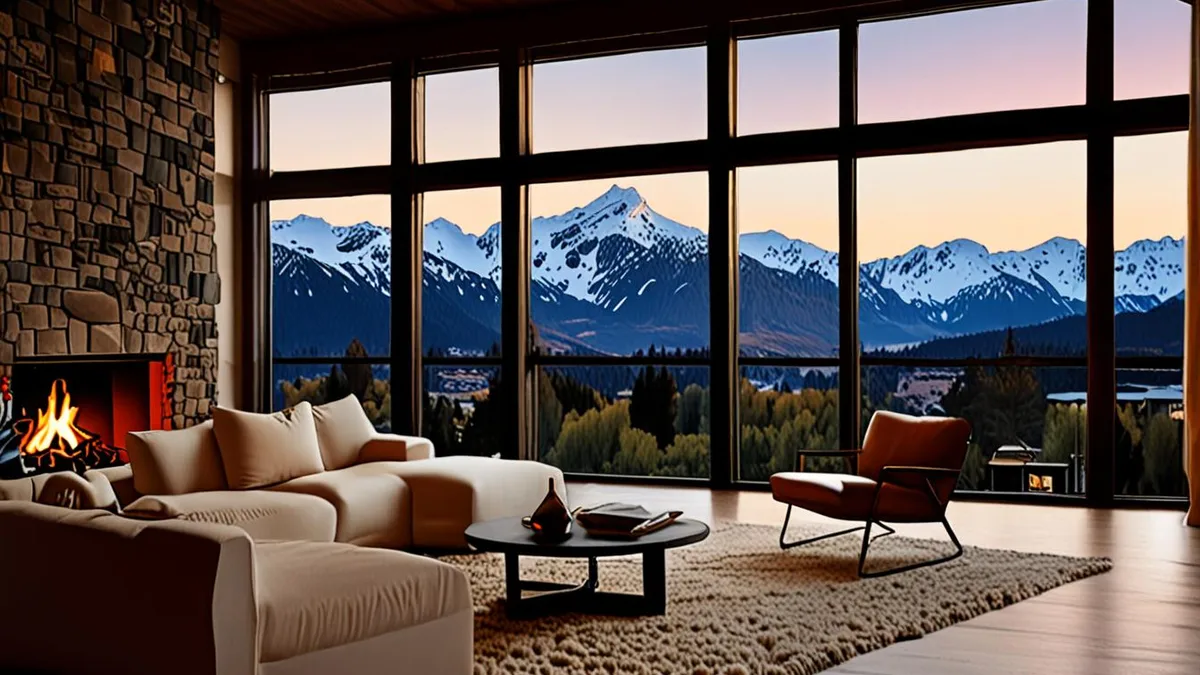
Budget lodges keep things simple: shared or compact rooms, communal kitchens where you can cook your own meals, and locations that are often a 10-20 minute walk from the town center. Mid-range lodges step up to ensuite rooms, breakfast included, and garden settings or partial lake views. Luxury lodges operate in a different category altogether, with fine dining, spa access, sweeping Lake Wakatipu or Remarkables views, and concierge service that books your activities before you land.
- Budget extras worth using: The communal kitchen is the real money-saver here. Cooking even one meal a day can offset a big slice of the cost of activities like jet boating or a gondola ride.
- Mid-range details to check: Some properties in this tier throw in airport pickups or bike hire as part of the rate, so compare what is bundled rather than just the headline nightly price.
- Luxury inclusions to ask about: Many high-end lodges include pre-dinner drinks, curated excursions, or transfers in the rate. Confirm exactly which services are covered, because these can represent several hundred dollars of value per day.
Match the tier to how you travel. If you will be out hiking or skiing from dawn to dusk, the luxury extras may go unused; if the lodge itself is the holiday, they are the whole point.
Location and View Premiums
In Queenstown, what you pay often depends less on the lodge itself and more on what your window looks at. A standard room facing a car park or a quiet street sits at the bottom of a lodge’s price range. Ask for the same room category with a lakefront position or a view of the Remarkables, and the nightly rate typically climbs by roughly NZD 100-300. On a week-long stay, that view premium can add up to the cost of an extra night or two.
What the view premium actually buys
It’s not just the photo opportunity. Lakefront rooms usually mean you can walk straight out toward the shore, and mountain-view rooms often come with more privacy and better morning light. If you plan to spend real time in your room, the upgrade can feel worthwhile. If you’re out hiking or skiing all day, a standard room may be the smarter spend.
Look slightly outside the town center
Location works the other way, too. Lodges in Frankton and nearby Arrowtown generally cost less than lakeside properties in the Queenstown town center, and both are typically only 10-20 minutes away by car. Frankton sits close to the airport side of the lake, while Arrowtown adds a charming historic setting to the savings. Renting a car or using local buses makes these areas a practical way to get more lodge for your money while still reaching the lakefront and the ski fields with ease.
When and How Far Ahead to Book
Queenstown lodges reward early planners more than almost any other accommodation type. Because many properties are small, with only a handful of rooms, the best-value options tend to disappear months before arrival rather than weeks. A family-run lodge with eight rooms cannot simply add inventory when demand spikes, so once those rooms are gone, your only fallback is a pricier property or a less convenient location. The timing you need depends heavily on when you want to travel, so it helps to work backward from your dates and set reminders before anything else.
- Book 3-6 months ahead for summer stays. December to February draws the biggest crowds, and lodges open their calendars well in advance. Booking inside this window usually leaves you a real choice of room types at normal rates rather than whatever is left over.
- Reserve 6-9 months ahead for Christmas and New Year. These dates fill first, often with returning guests who rebook the same rooms every year. Waiting until spring to lock in a festive-week stay usually means paying more for a less desirable room, or settling for a property outside your first choice.
- Shift to midweek nights during the winter snow months. When the ski fields are running from late June to early October, Friday and Saturday nights carry a clear premium as weekend visitors pour in. Moving your stay to Sunday through Thursday can soften the nightly rate considerably without cutting into your time on the mountain.
It also pays to be flexible on destination if your main goal is a luxury mountain lodge experience with pool and spa facilities. Some travelers compare Queenstown with alternatives such as Aspen ski chalets with luxury mountain pool views to see which alpine stay delivers better value for their dates. Currency exchange rates and flight costs can tip that comparison one way or the other, so run the numbers for your full trip rather than the room rate alone. Whichever destination you choose, set a calendar reminder for your booking window rather than relying on last-minute deals, which are rare in a town this popular. A little lead time is the cheapest upgrade you will ever get.
Extras That Change the Total Bill
The nightly rate is only the starting point for your Queenstown lodge budget. A few extras can quietly add 20-40% to your total, so it helps to know where the costs hide before you arrive. None of these are dealbreakers, but they change which price level makes sense for your trip. Travelers who plan only around the headline rate often end up surprised at checkout, while those who budget for the add-ons can compare lodges fairly and pick the one that truly suits their itinerary.
- Airport transfers. The airport sits roughly 10-15 minutes from most lodges, and a shuttle or taxi typically runs NZD 30-50 per trip. Two people sharing a taxi often pay less per person than buying individual shuttle seats. If you’re staying several nights, ask whether your lodge offers a pickup, since some do.
- Dinner at the lodge. At luxury properties, a multi-course dinner can add NZD 100-200 per person per night. Eating in town on some evenings, or choosing a lodge with a communal kitchen, keeps food costs under control without sacrificing the experience entirely.
- Downsizing when you’re barely there. If your days are packed with bungy jumps, wine tours, or hikes, you’ll only use the room for sleeping. A compact or shared-budget room frees up money for the activities that actually define the trip.
- Parking and small add-ons. If you drive, check whether your lodge charges for parking, and ask about gear storage if you’re bringing skis or bikes. A few lodges include these, others bill them separately.
Before booking, add up the full picture: rate, transfers, meals, and any activity packages the lodge offers. Some luxury lodges bundle dining and transfers into a rate that looks high but works out reasonable once everything is included. Others quote a tempting base rate, then stack on extras that erase the saving. Comparing the total cost, rather than the headline price, is the only way to know which lodge genuinely fits your budget.
Final Price Picture for Queenstown Lodges
So what does a fair price for a Queenstown lodge actually look like? For most travelers, the answer lands at NZD 200-450 per night for a comfortable, well-located stay with a private bathroom and breakfast included. Below that, budget rooms around NZD 90-150 keep things simple, while full-service luxury lodges start near NZD 700 and can climb past NZD 2,000.
Three factors drive almost every quote you will see: the season you travel, whether you pay for a lake or mountain view, and how far ahead you book. Match the lodge level to your itinerary, and the total trip cost stays in balance. If this guide helped you plan your budget, leave a comment or share it with a fellow traveler.