You want a night under the stars, but the decision feels harder than it should. Do you pack a tent, sleeping bag and stove and do it all yourself, or book a furnished safari lodge where the bed is already made? The glamping vs camping question usually comes down to two things: your budget and how much comfort you need to actually enjoy the morning after.
This guide breaks the choice down piece by piece. We compare what each option really is, what you pay per night, and what you find when you arrive. Then we cover the best time to go and how far ahead to book, how to match the option to your trip style, where glamping fits into a luxury itinerary, and a clear bottom line to help you decide. By the end, you should know exactly which kind of outdoor night suits you.
Glamping vs Camping: The Core Differences at a Glance
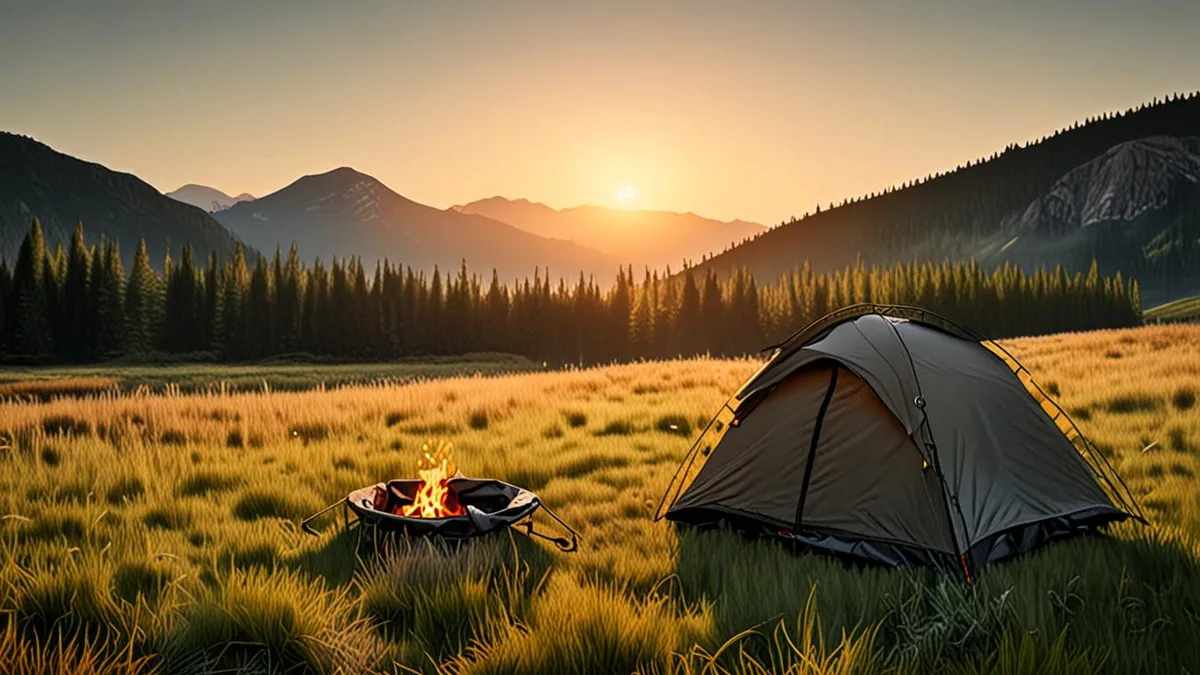
At its simplest, camping means you are the hotel. You bring your own shelter, your sleeping gear and your cooking equipment, then set everything up yourself when you arrive. That includes pitching the tent, inflating or unrolling your sleeping pad, and organizing a stove or fire pit for meals. Everything you need for the night has to fit in your car or backpack.
Glamping flips that arrangement. You arrive at a structure that someone else built and furnished: a safari tent, yurt, cabin or dome, with furniture and bedding already in place. You walk in, put your bag down and the practical work is done.
Who each option suits
Camping suits self-sufficient travelers who enjoy the process as much as the destination. If setting up camp, cooking outdoors and being fully responsible for your own comfort sounds like part of the fun, camping fits. Glamping suits travelers who want nature without the gear haul — people who would rather not own a tent at all, or who simply want the outdoors as a backdrop rather than a project.
Both options give you genuine outdoor access: fresh air, night skies and a natural setting. What differs completely is the level of effort and comfort on arrival, and that gap shapes everything else, from cost to packing list.
What Each Option Really Costs Per Night
The price gap between camping and glamping is wider than most first-timers expect. A basic campsite pitch runs about $15–40 per night for two people, which makes even a long weekend feel cheap once you are on site. Glamping tents and cabins typically cost $120–400 per night depending on location and season, so a single night can cost as much as a mid-range hotel room in many regions. That comparison is worth keeping in mind when you weigh your options, because glamping is often competing with hotels rather than with traditional campsites.
The camping number has a catch, though. If you own no gear, a camping starter kit adds a one-time $300–600 before your first night. That includes the essentials like a tent, sleeping bags, a cooler and a basic stove. Over a 3-night trip, glamping often costs 4–8 times more than camping once gear costs are spread out — but on a single first trip with no equipment, the gap narrows considerably and can even disappear.
- Campsite extras: some campgrounds charge separate fees for showers, firewood or vehicle entry, so check what the nightly pitch price actually includes before you book. These add-ons are usually small, but they add up over a week-long stay.
- Gear as an investment: the $300–600 starter kit is a one-time cost — spread across years of trips, it makes camping cheaper with every outing. Borrowing gear for your first trip is another way to test the waters.
- Glamping seasonality: the same dome or cabin can sit at very different points in that $120–400 range depending on when you visit and how in-demand the region is, so shifting your dates by a week can change the price noticeably.
- Hidden glamping value: bedding, lighting and heating are included, so you save on the equipment a camper would otherwise need to buy or pack — and you skip the storage problem at home, too.
Comfort: What You Actually Get on Arrival
Walk into a glamping tent or cabin and the essentials are usually already handled: a real bed with proper bedding, heating or cooling, lighting, and often a private bathroom. You arrive, unpack and the night is effectively sorted. It feels closer to checking into a small hotel than to setting up camp.
What camping asks of you
Camping means inflating a sleeping pad, managing a sleeping bag’s temperature rating and walking to shared washrooms. None of it is difficult once you have done it a few times, but each step depends on having the right gear and knowing how to use it. A bag rated for the wrong conditions or a pad that loses air can turn a fun night into a long one.
Weather resilience is another real difference. Glamping structures handle rain and wind far better than a beginner’s first tent pitch, which may leak at the seams or flap noisily in gusts if it is not staked out properly. If a storm is forecast, that difference matters.
Food and meals
Campers cook on stoves or fires, which many people count as a highlight — but it means planning meals, packing fuel and washing up outdoors. Many glamping sites offer kitchens, BBQs or on-site dining instead, so dinner can be as simple or as catered as you like. If cooking is part of the appeal for you, that tips toward camping; if you would rather eat well without effort, glamping has the edge.
When to Go and How Far Ahead to Book
Timing makes a bigger difference to your budget than most travelers expect. In the Northern Hemisphere, June through August is peak season, and prices for both campsites and glamping sites typically rise by 30–50% during these months. The same tent that costs a modest sum in spring can nearly double for a July weekend. If your dates are flexible even by a week or two, shifting your trip out of that window is one of the easiest ways to save without giving anything up.
Booking windows also differ between the two options. Campsites near popular national parks and lakes open up months in advance and get snapped up quickly for summer weekends, so you’ll want to reserve roughly 3–6 months ahead. Glamping operators usually need a bit less notice, but 2–4 months’ lead time is a safe rule of thumb for peak dates. Domes and other one-of-a-kind structures tend to sell out first, since a site may only have one or two of them. If you have your heart set on a specific unit, book the moment dates open rather than waiting to compare options.
- Shoulder season in May and September often brings lower rates, milder temperatures, and far fewer neighbors on adjacent pitches.
- Midweek arrivals almost always have better availability than Friday or Saturday nights, at both campgrounds and glamping resorts.
- Some national park campgrounds use reservation windows that open on a fixed date, so mark your calendar rather than browsing casually.
- If you’re flexible, a Sunday or Monday check-in at a glamping site can mean last-minute openings that weekend travelers never see.
A final tip: check cancellation policies before you commit. Campsites often allow changes with reasonable notice, while some glamping operators have stricter terms on their most popular units. Knowing the rules upfront makes it easier to book early for peak dates and adjust later if your plans shift.
How to Choose Based on Your Trip Style
The easiest way to decide is to ask what the trip is actually about. If the outdoors itself is the activity — long hikes, a day of fishing, cooking dinner over a campfire — then camping is the natural fit. You’ll be outside from morning to night anyway, so a simple tent and a sleeping bag cost far less and take away nothing from the experience. Budget-conscious travelers get the most value here.
Glamping makes more sense when nature is the backdrop rather than the mission. If you want hotel-like sleep quality, a real bed, and a private bathroom, a safari tent or cabin delivers that without sacrificing the setting. It’s also the smoother choice when traveling with young kids or with partners who simply won’t enjoy sleeping on the ground.
The math for first-timers
If you own no gear, run the numbers before assuming camping is cheaper. A basic starter kit — tent, sleeping bags, pads, stove, cooler — typically runs $300–600. For a single one- or two-night trip, a glamping stay is often the cheaper option once you spread that one-time gear cost out.
The hybrid approach
Many experienced travelers do both. Camp on multi-day wilderness trips where self-sufficiency pays off, and glamp on short one- or two-night escapes where a good night’s sleep matters more than gear practice.
Where Glamping and Camping Fit Into a Luxury Trip
Glamping isn’t just a budget alternative to a hotel — it slots neatly into upscale itineraries too. A safari-style tent night before or after a resort stay gives you a completely different experience of the same destination, often on private land with far more space and quiet than a hotel wing.
Outdoor luxury has come a long way
Some destinations show just how far the concept has evolved. The Maldives, long known for high-end overwater stays, has taken the idea of sleeping close to nature and refined it into something genuinely luxurious. If that blend of open water, reef life and design-forward accommodation appeals to you, have a look at these Maldives luxury reef houses with infinity pools for a sense of where outdoor-inspired luxury travel is heading.
You don’t need a long trip to try it, either. Mixing a single glamping night into a hotel-heavy itinerary adds variety without putting the whole trip’s comfort level at risk — if the tent night disappoints, you’re back in a proper bed the next evening. Think of it as a low-stakes experiment: one night of falling asleep to natural sounds, framed by stays where every comfort is guaranteed to be waiting. For many travelers, that single night ends up being the memory they talk about most.
The Bottom Line on Glamping vs Camping
So which one is right for you? If your budget is tight and you enjoy the hands-on side of the outdoors, camping at roughly $15–40 a night rewards your self-sufficiency with the lowest cost per night. If you want to arrive, drop your bag and climb into a real bed, glamping at around $120–400 delivers that comfort on the spot.
Remember that the sticker price is only part of the story. Gear you may need to buy, the season you travel in and how far ahead you book all shape the true total for both options. In the end, the choice comes down to a simple question: do you want the effort of the outdoors, or just the setting? If this helped you decide, leave a comment or share the article with a friend.