You’ve seen the photos: a cozy dome glowing at dusk, jagged granite peaks behind it, and nothing but wind and wilderness for company. Glamping in Patagonia is a dream for many travelers, but picking the wrong month can turn that dream into a shivering, wind-battered disappointment or an overpriced scramble for last-minute availability. The right mix of weather, crowds and price depends heavily on when you go.
This guide walks you through every season, from the long, bright days of peak summer to the quiet, snow-dusted months when most camps shut down. You’ll learn why wind matters more than rain, how rates shift between summer and the shoulder months, which gateway town to base yourself in, and how far ahead to book. Whether you want heated domes near Torres del Paine or a budget-friendly riverside pod in the off-season, the sections below will help you match your travel style to the right month.
Why Timing Shapes Glamping in Patagonia
Patagonia sits at the far end of the Southern Hemisphere, which flips the calendar most Northern Hemisphere travelers grew up with. Summer runs from December to February, autumn arrives in March and April, and winter stretches from June to August. If you’re picturing a July trip with sunny skies and mild temperatures, you’re actually planning a midwinter visit, so the first step in planning is simply rethinking what each month means.
Wind is the real weather story
Ask anyone who has camped in Patagonia and they’ll tell you the same thing: wind, not rain, defines the experience. December and January bring the fiercest conditions, with gusts that regularly exceed 60 km/h on exposed steppe. That’s strong enough to rattle tent poles, whip dust into everything and make cooking outside a challenge. Dome-style camps handle this far better than traditional tents, which is one reason they’ve become the region’s signature accommodation.
Wind also shapes where you should stay. Sheltered valleys and forest-edge sites feel dramatically calmer than open pampas locations, so it pays to ask about a camp’s exposure before booking rather than discovering it at 2 a.m.
Availability changes month by month
Camp availability swings sharply through the year. Several dome sites close entirely or run reduced capacity from May to September, when cold nights and short days thin out the crowds. That means your dream camp might not exist as an option in July, no matter how flexible your dates. Checking which camps operate in your target month should happen before you fall in love with a specific dome or view, not after.
Peak Summer: December to February
Summer, from December to February, is when Patagonia shows its friendliest face. Daytime highs reach 18-22°C, and daylight stretches to 16-17 hours, giving you time for long excursions and still returning to a heated dome for a comfortable night’s sleep. You can hike a full trail, linger over dinner and watch the light fade well past 9 p.m., which is a luxury you won’t find in any other season.
The trade-off: wind and crowds
This is also the windiest window of the year, so pack windproof layers even on warm, blue-sky days. A gusty afternoon can feel ten degrees colder than the thermometer suggests, especially on exposed ridgelines. When choosing a camp, favor sheltered valley sites over open pampas locations; the difference in overnight comfort is significant, and domes in protected spots are far less likely to keep you awake with rattling fabric.
Crowds and prices peak alongside the weather. Premium domes near Torres del Paine typically charge $300-800 per night in summer, and January dates often sell out 6-12 months in advance. If you have your heart set on a specific dome or view, booking early isn’t optional; it’s the difference between the trip you imagined and whatever is left on the calendar.
For travelers who want the best chance of clear hiking conditions and maximum daylight, summer remains the strongest choice. Just budget accordingly and commit to dates early.
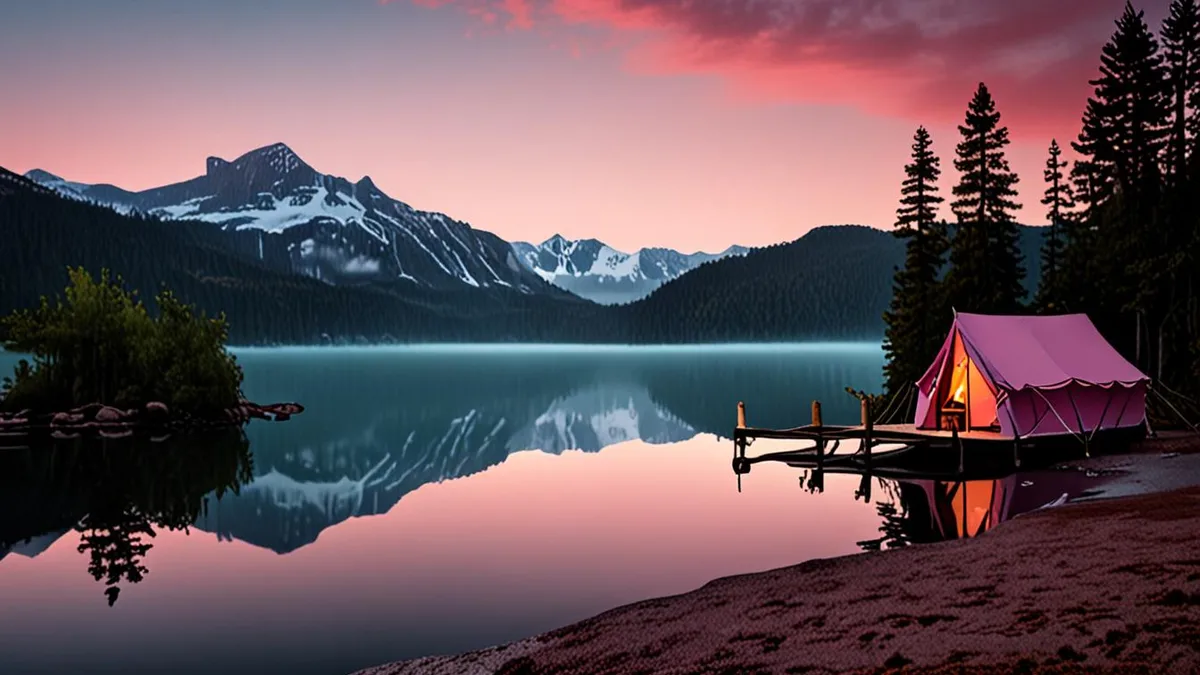
Shoulder Seasons: October-November and March-April
Shoulder Seasons: The Sweet Spot for Value and Quiet
The shoulder seasons of October-November and March-April are where savvy glampers find the best value. Rates drop 30-50% compared with summer, with premium domes typically starting from $150-400 per night. You still get long days for serious hiking, and the crowds thin out noticeably once the peak-season rush passes.
March is a favorite among repeat visitors. The weather tends to be stable, the southern beech forest turns brilliant shades of red and gold, and trailhead waits shrink noticeably compared with January. Photographers love the low, golden light that autumn brings, and the cooler nights make a wood-stove-heated dome feel genuinely cozy rather than just necessary.
November has its own charms. Wildflowers bloom across the steppe, and birdlife returns as spring takes hold. The trade-off is mud: some higher trails stay soggy after the spring thaw, so check trail conditions if your plans involve anything above the valley floor.
- Daylight is still generous. Shoulder-season days give you plenty of usable hours for a full trek plus time to relax at camp, even if they fall short of midsummer’s marathon light.
- Booking windows are much shorter. While January domes sell out 6-12 months ahead, shoulder-season stays often only need 2-4 months of notice, giving you flexibility if your dates shift.
- Wildlife activity varies by month. November is prime for spotting newborn guanacos and returning migratory birds, while March can offer quieter wildlife viewing as animals settle into autumn routines.
- Some camps run reduced services early and late. A few dome sites open with limited facilities in October or scale back in April, so confirm exactly what’s operating before you book rather than assuming full service.
Winter Glamping: May to September
Winter in Patagonian glamping country is a different sport entirely. From May through September, nights drop well below freezing and daylight shrinks to around 8 hours, which changes both what you can do and where you can comfortably sleep. A standard summer dome with thin canvas walls simply won’t cut it here.
If you’re set on a winter stay, look for insulated units with a wood stove. A properly heated dome lets you watch snow fall over the mountains from bed, which is arguably the best seat in Patagonia. Without that heat source, you’ll spend the long evening hours bundled in a sleeping bag, which gets old fast.
Confirm the camp is actually open
This is the single most common winter booking mistake. Many dome camps close entirely for the season, and others run limited operations with fewer units, reduced staff or no restaurant service. Never assume year-round availability; email the camp directly and confirm winter operation, heating, meal service and access before you pay anything.
Why the cold is worth it
The reward for braving the chill is Patagonia at its quietest. Snow-dusted granite peaks, viewpoints you’ll often have entirely to yourself, and the year’s lowest prices make winter appealing for hardy travelers. Photographers in particular prize the low winter light and fresh snow on the Torres del Paine massif. Just build flexibility into your plans, since winter storms can occasionally delay road transfers.
Choosing Your Base and Stay Type
Puerto Natales is the main gateway for Patagonian glamping, and most travelers start their trip in this small, walkable town with a good range of gear shops, cafes and tour operators. From there, it’s roughly 2-3 hours by road to the dome camps and eco-lodges around Torres del Paine, so plan your arrival day with the transfer in mind rather than expecting to check in the same afternoon you land. Many camps offer pickup from town, but schedules vary, so confirm the details when you book.
Accommodation styles vary more than most people expect. The classic image is a geodesic dome on a hillside, but you’ll also find safari-style tents and compact riverside eco-pods, each with a different feel and price point. Think about how much space, privacy and insulation you actually need before booking, and remember that a cheaper rate can come with thinner walls and shared facilities.
Stay types and what sets them apart
- Geodesic domes with private bathrooms: the most comfortable option, often with real beds, heating and en-suite facilities, so you avoid walking to a shared block on windy nights.
- Safari-style tents: a lighter, more tent-like experience that usually costs less, but expect thinner walls and more exposure to temperature swings between day and night.
- Riverside eco-pods: compact units positioned for water views and birdlife, typically more sheltered than hilltop sites and quieter in the evenings.
- Low-profile domes with anchored decks: worth prioritizing in exposed locations, since a covered entrance and firmly anchored structure make a real difference when gusts pick up.
Whatever style you choose, ask the operator specifically how the site handles wind. Sheltered valleys behave very differently from open steppe, and the answer will tell you a lot about how comfortable your nights will be. It’s also smart to ask about meal arrangements, water supply and how the camp handles power, since these practical details shape the experience more than the views do.
How to Book and What to Pack
Booking a Patagonian glamping trip rewards early planning more than almost any other detail. The best camps are small, often with only a handful of units, so dates disappear quickly in high demand. That’s especially true for premium domes near Torres del Paine in December and January, when travelers from around the world compete for the same limited inventory. Follow these steps to lock in your stay and arrive prepared.
- Reserve peak dates as early as possible. If you want a dome in Torres del Paine for December or January, book as soon as the calendar opens; the most sought-after units sell out many months in advance, so check each camp’s booking window and set a reminder.
- Use shorter lead times for shoulder season. Stays in October-November or March-April usually need only a few months’ notice, giving you flexibility if you’re planning closer to your travel dates.
- Confirm what the rate actually includes. Many remote camps price meals and transfers separately or bundle them into full-board packages, so ask before comparing prices between properties.
- Arrange transfers at the same time. Camps sit far from Puerto Natales, and regular public transport doesn’t serve most of them, so coordinate pickup or shuttle details when you book.
- Pack in layers regardless of the month. Bring a windproof shell, thermal base layers, a warm hat and gloves even for a summer trip, plus footwear that handles mud and wind-driven rain.
One final habit that saves headaches: put every confirmation in writing. Email summaries of what you booked, what’s included and how you’ll reach the camp. Remote Patagonian lodges are wonderful, but a miscommunication about a transfer or meal plan is far easier to fix before you’re standing at a trailhead with your bags.
Wrapping Up Your Patagonia Glamping Plan
So, which month is right for your luxury tent stay under Patagonia’s jagged peaks? If you want the classic experience, summer from December to February delivers the best weather and the longest days, but it demands booking 6-12 months ahead and paying the highest rates of the year.
The shoulder months of March and November strike a friendlier balance for most travelers: lower prices, beautiful scenery and quieter trails. Winter, from May to September, suits hardy travelers chasing solitude and snow-dusted views at the lowest prices, provided they pick camps that actually operate in the cold. Match the season to your priorities, and a Patagonian glamping trip becomes far easier to plan. If this guide helped you sort out your dates, leave a comment or share it with a fellow traveler.