Every glamping listing promises luxury under canvas, but the photos rarely tell you how different these stays actually feel. Choosing between a safari tent, a yurt and a geodesic dome can make or break a trip: one gives you space and a veranda, another wraps you in winter cosiness, and the third puts the entire night sky above your bed. In the safari tents vs yurts vs domes debate, the right answer depends on your season, budget and how much room you really need.
This guide breaks down the core differences between the three structures, compares comfort and floor space, and shows which stay fits which season. We also look at typical nightly costs, the landscapes where each type works best, and practical booking tips so you know exactly what to confirm before paying. By the end, you will know which canvas home suits your travel style.
Safari Tents vs Yurts vs Domes: The Core Differences
The three most popular glamping structures look similar in photos but deliver completely different experiences. Understanding what each one actually is makes the choice much easier.
Three structures, three personalities
Safari tents are large canvas structures built on fixed frames, borrowing their design from the tented lodges of African reserves. They usually come with real beds, en-suite bathrooms and a veranda, so the feel is closer to a solid lodge than a tent. You walk in through a door, not a zip.
Yurts are round tents with lattice walls, originating from Central Asia, where nomadic families used them for centuries. Modern glamping yurts often include a wood stove, felt insulation and a central skylight at the top of the domed roof. The circular shape and soft materials make them feel cozy and cocoon-like, especially when the stove is lit.
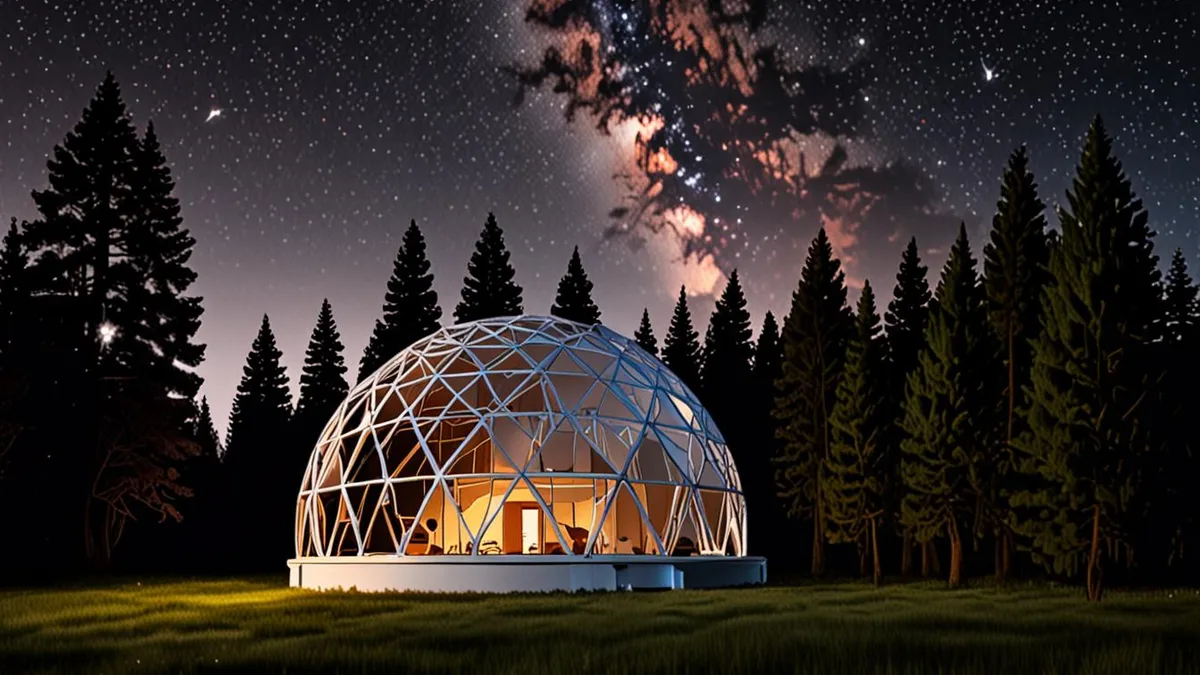
Geodesic domes are spherical structures made from triangular panels, prized for panoramic windows, overhead skylights and futuristic interiors. Beds are frequently positioned so you can watch the sky or the landscape directly from under the covers. The effect is immersive: the dome almost disappears, leaving you open to the surroundings.
In short, structure drives the experience. Safari tents feel like lodges, yurts feel like warm hideaways, and domes feel like part of the landscape itself.
Comfort and Space Compared
Space is where these three structures differ most, and it is the first thing to check before booking. A listing photo can make a yurt look huge or a dome look cramped, so real floor areas matter. Ask the host for exact dimensions rather than relying on wide-angle photos, and think about how much of that space is actually usable once a bed, luggage and furniture are in place.
Safari tents win on space. Floor plans of 40–60 square meters are common, often including a lounge area, a full bathroom and a covered deck, which is why they suit families and longer stays. Yurts of 5–6 meters diameter are best for couples, and at rustic sites you should expect shared bathhouses rather than a private bathroom. Domes typically span 20–38 square meters, maximizing atmosphere over square footage, with beds deliberately positioned under skylights so you can fall asleep looking at the sky.
Climate control also varies more than most listings admit, and it can make or break a stay. Here is what to check for each type:
- Domes: the curved glass and panels can overheat in midday sun, so ask whether the unit has exterior shading, ventilation windows or air conditioning before booking a summer stay.
- Yurts: the lattice walls with felt insulation hold heat remarkably well, and a wood stove usually keeps the whole circle warm, but check how firewood is supplied and whether someone lights it for you.
- Safari tents: canvas walls and mesh panels breathe best in heat, allowing airflow that solid-walled structures lack, though this also means temperatures inside follow the outside climate closely, so pack layers for cool nights.
Match the structure to your comfort priorities: space favors safari tents, warmth favors yurts, and atmosphere favors domes. If you are torn between two types, prioritize the factor that is hardest to fix on site, since extra blankets are easier to find than extra square meters or shade.
Which Stay Fits Which Season
Season is the single biggest factor in whether a glamping stay feels magical or miserable. The three structures handle temperature very differently.
Winter belongs to yurts
Yurts are the clear cold-season pick. Their insulated lattice walls and wood stoves make stays from October through March genuinely comfortable, even in snowy regions where a canvas tent would be unusable. There is something special about watching snow fall through the central skylight while the stove crackles nearby.
Warm months favor canvas and domes
Safari tents and domes shine from May to September, when canvas walls and mesh panels suit warm nights and the emphasis is on airflow and views rather than trapped heat. This is when verandas, mesh screens and open windows earn their keep.
The shoulder months deserve a mention too. May and late September often bring lower rates and noticeably fewer mosquitoes in tented camps, which makes them a smart compromise if you want the warm-season experience without peak-season crowds.
One warning about domes: avoid them during heatwaves. The greenhouse effect created by curved panels and large windows makes midday interiors uncomfortable unless the unit has strong exterior shading. If your trip dates fall in a hot spell, a breathable safari tent is usually the safer choice, or ask the host specifically how the dome stays cool at midday.
What Each Stay Type Costs
Glamping prices vary more between these three structures than most travelers expect, and knowing the typical ranges helps you spot a genuinely good deal. Rates depend on location, season and how much is included, but the general pattern is consistent: yurts cost the least, domes sit in the middle-to-upper range, and safari tents span the widest spread from simple camps to full lodge experiences.
Yurts are the budget entry point, generally running $100–$250 per night. At the lower end you often get a shared bathhouse and a wood stove, which is perfectly comfortable if you pack sensibly. Safari tents typically cost $150–$400 per night, and all-inclusive lodge-style setups — with meals, game drives or guided activities bundled in — can exceed $600 per night. Domes usually range from $180–$450, and the extras matter: stargazing windows and private hot tubs tend to push prices to the top of the range.
Timing saves more money than any other tactic. Midweek stays in shoulder season can cut 20–30% off peak weekend rates across all three types, so a Tuesday in late September often costs noticeably less than a Saturday in July for the exact same unit.
- Check what the rate includes: some safari tent camps bundle meals and activities, while dome and yurt sites usually charge for breakfast, firewood or hot tub use separately.
- Watch for cleaning or booking fees: smaller independent sites often add these at checkout, which can add a meaningful amount to a two-night stay.
- Compare minimum-stay rules: popular dome sites frequently require two or three nights on weekends, which effectively raises the per-night cost of a quick getaway.
- Ask about single-night surcharges: some hosts charge more for one-night bookings, so two midweek nights can cost less than one weekend night.
Where Each Stay Type Works Best
The structure is only half the experience — the landscape around it does the rest. The same dome can feel magical on a dark hillside and underwhelming in a wooded campground, so match the stay type to the setting before you book.
Where each structure shines
Safari tents suit savanna, wetland and coastal settings where wildlife and veranda views are the draw. The covered deck is the point: you want a wide horizon, animals or water in the distance, and a breeze moving through mesh panels at night. A safari tent hemmed in by other tents loses most of its appeal.
Yurts fit mountain meadows, forests and snowy landscapes where cosiness matters more than views. The round walls, felt insulation and wood stove make them ideal when the weather outside is the spectacle — falling snow, mist in the pines — and you want a warm cocoon to return to.
Domes excel in dark-sky areas, fjords and open valleys where the window itself is the attraction. If the whole selling point is lying in bed under the stars or watching light move across a ridge, the site needs an unobstructed panorama.
Check the surroundings before booking
Look closely at photos and site maps. A dome under forest cover loses its stargazing appeal, and a safari tent on bare, treeless ground loses its safari feel. Ask the host about neighboring units, nearby roads and how much vegetation screens your deck or window — a few honest questions here make the difference between a memorable stay and a disappointing one.
How to Book the Right Glamping Stay
Glamping sites are small — often just a handful of units scattered across a field, forest or hillside — so the best ones sell out long before big hotels do. There is no empty room down the hall to move you to, and no front desk to call at midnight. A little planning, plus a few direct questions to the host before you pay, will save you from the most common disappointments: a shared bathroom when you expected your own, a wood stove with no firewood, or a dome that turns into a sauna on the first sunny afternoon. The four steps below take only minutes and make a real difference to how your stay feels.
- Book early for summer weekends. Aim to reserve 2–4 months ahead for summer weekends, when demand at small sites far outstrips supply. Sought-after domes with glass ceilings sell out up to 6 months in advance, so if a specific stargazing dome is on your list, book the moment dates open. Midweek and shoulder-season dates are far easier to land if your schedule is flexible.
- Confirm the bathroom situation. Ask whether the bathroom is en-suite or shared before booking, especially for yurts, where rustic sites often rely on a communal bathhouse a short walk away. Walking 50 meters to the toilet at 2 a.m. in the rain is not everyone’s idea of luxury. This is the single biggest comfort difference between listings at the same price.
- Ask about heating and cooling. For yurts, confirm there is a wood stove and whether firewood is provided, or whether you pay extra per bundle. For domes, ask about shading or AC, since glass panels can turn interiors uncomfortably warm at midday. For safari tents, check airflow options such as mesh panels or fans for warm nights.
- Read recent reviews carefully. Focus on noise, insects and Wi-Fi reliability — the three most common glamping complaints. Reviews from the same season as your trip tell you whether mosquitoes, nearby roads or patchy signal will bother you, and whether the photos still match reality.
Finally, message the host directly with any question that reviews do not answer. Small operators usually respond quickly, and their answers about access roads, parking and check-in times often reveal how well the site is run before you commit. A host who replies within a day with specific, helpful details is a good sign; vague or slow answers are worth taking seriously.
Picking Your Perfect Glamping Stay
So, which one should you book? If space and comfort top your list, a safari tent is hard to beat — it’s the closest thing to a lodge under canvas. If you’re watching your budget or planning a cold-weather escape, a yurt delivers the best value and the cosiest nights. And if you want the stay itself to be the highlight, a geodesic dome with a panoramic window is the most memorable of the three.
Let the season and your priorities do the rest: yurts for winter months, tents and domes for May–September, with bathroom setup, budget and booking lead time settling the final details. Match the structure to your landscape and travel style, and the canvas stops being just accommodation — it becomes part of the trip itself. Still torn between a tent, a yurt and a dome? Tell us in the comments, or share this article with a fellow traveler.