Planning a first safari is exciting until you sit down to book. Kenya offers dozens of parks and reserves, hundreds of places to stay, and price ranges that swing from backpacker tented camps to lodges where a single night costs more than a week elsewhere. If you have ever opened a booking page, closed it, and reopened it an hour later still unsure, you are not alone. Most first-timers freeze at exactly this point.
The good news is that choosing a safari lodge in Kenya becomes much simpler once you work through a handful of decisions in the right order. This guide walks you through them step by step: why your choice of lodge shapes the whole trip, how to pick your park or reserve first, how to match the season to your budget, what a realistic nightly budget looks like, which lodge style and location suit you, how to handle flights and trip length, and a final checklist before you book. Follow the sequence, and the overwhelming list of options shrinks to a short, confident shortlist.
Why Your Choice of Safari Lodge in Kenya Shapes the Whole Trip
Here is something many first-timers miss: your lodge is not just where you sleep, it decides what you will actually see. Kenya is not one uniform safari landscape. It is a collection of very different ecosystems, and each one delivers a different kind of wildlife experience. Choose a lodge in the Maasai Mara and you are signing up for the densest big-cat viewing in the country, with lions, cheetahs and leopards seen regularly on morning drives. Pick Amboseli instead and your days will revolve around huge elephant herds moving across dusty open plains, often photographed against the snow-capped backdrop of Kilimanjaro. Head north to Samburu and you trade the classic savanna for an arid landscape home to rare species you will not find in the southern parks, such as Grevy’s zebra and the reticulated giraffe.
That is why the single most useful question to ask is not “which lodge has the best reviews?” but “which ecosystem do I want to wake up in?” The lodge is simply your ticket to that landscape.
Location and guiding beat thread counts
Most safari lodges in Kenya are all-inclusive, bundling game drives, meals and often drinks into the nightly rate. You will spend the majority of your waking hours in a safari vehicle or on the lodge grounds, not in your room. So the quality of the guides and the location of the property matter far more than marble bathrooms or room size. A modest tented camp with a brilliant guide inside a wildlife-rich conservancy will beat a glossy suite with mediocre guiding every single time. Ask any operator how long their guides have worked there and whether they are Kenya Professional Safari Guides Association certified; the answer tells you more than any photo gallery.
One last warning: famous names carry famous price tags. First-timers often overpay for the most photographed lodges while overlooking private conservancy properties nearby that offer better value, fewer vehicles and more flexible activities. We will dig into that trade-off later in this guide.
Pick Your Park or Reserve First
Before you compare a single lodge, decide where you want to be. This is the decision everything else hangs on, because Kenya’s parks are genuinely different from one another, and a lodge is only as good as the ecosystem around it. The three most popular choices for first-timers each come with a distinct personality, a distinct landscape and a distinct best time to visit.
The Maasai Mara is the headline act: rolling savanna with the densest big-cat viewing in Kenya, and at its peak from July to October when the Great Migration pours wildebeest and zebras across its plains. Amboseli, in the south, is famous for something different entirely: some of the largest elephant herds in Africa, framed against Mount Kilimanjaro on clear mornings, across wide, dusty, open plains that make photography wonderfully easy. Samburu and Laikipia, in the drier north, offer a completely different cast of animals and a noticeably quieter experience.
- Maasai Mara: the conservancies bordering the main reserve share the same wildlife but see a fraction of the vehicle traffic, so you can watch a lion sighting without a dozen safari cars jostling for position.
- Amboseli: the dusty, treeless terrain means animals are visible at long distances, and the observation hills give sweeping views over the swamps where the elephants gather.
- Samburu and Laikipia: besides Grevy’s zebra, the dry north hosts the Somali ostrich and the gerenuk, an antelope that stands on its hind legs to feed, species found almost nowhere else in Kenya.
- The combination strategy: pairing one famous park with a neighboring private conservancy gives you classic game drives plus activities parks do not allow, such as off-road driving, guided walking safaris and night drives.
If you are torn, the park-plus-conservancy combination is the safest first-safari formula: you get the iconic landscapes and the crowds-free, flexible experience in one trip.
Match the Season to Your Budget
Kenya is a year-round safari destination, but the season you pick changes both what you see and what you pay, sometimes dramatically. Getting this right before you shop for lodges will save you from falling in love with a property you cannot afford in July or a park that is underwater in April.
Peak dry season: the best wildlife, the highest prices
From June to October, the dry season delivers the best wildlife viewing of the year. Vegetation is thin, animals gather at predictable water sources, and skies are clear for photography. This is also when every lodge charges its top rates and when availability tightens fast: for July to October travel, plan to book 6 to 12 months ahead, especially for well-known properties. If your heart is set on the Great Migration in the Maasai Mara, roughly July to October, expect premium pricing inside the reserve itself during those exact months. The wildlife justifies it, but so does the demand.
Shoulder and green season: quieter and cheaper
January and February are the smart traveler’s secret. Wildlife viewing remains good, visitor numbers drop noticeably after the holiday rush, and lodge rates sit at moderate levels rather than peak highs. You will often get the same guides and the same camps for considerably less money, with more of the savanna to yourself.
From March to May, the green season brings rain, lush emerald landscapes, dramatic skies and newborn animals. Some roads get muddy and game viewing takes a little more patience, but lodge rates drop noticeably, and photographers actively seek out this season for its light and color. If budget is your main constraint, this is the window that stretches it furthest.
Set a Realistic Budget Per Night
Your nightly rate is the single biggest variable in a safari budget, and Kenya offers a wider spread than most first-timers expect. Mid-range lodges typically run around $200-500 per person per night, and that price usually covers your game drives, all meals, and sometimes even local drinks. For many first trips, this tier hits the sweet spot: comfortable rooms, solid guiding, and full board without the shock of a five-figure invoice.
At the top end, luxury lodges range from $600 to $1,500+ per person per night. What you’re paying for is exclusivity and polish: private guides, plunge pools overlooking the plains, designer interiors, and often a butler or dedicated vehicle per booking. If that level of indulgence appeals, it’s worth browsing options like these safari villas with scenic luxury pools to see what the high end looks like, then deciding whether it justifies doubling or tripling your per-night spend.
Travelers on tighter budgets aren’t shut out. Simple tented camps and self-catering options near park gates can come in under $150 per person per night. You’ll typically drive yourself or book drives separately, and comfort levels are basic, but you still sleep inside the safari experience.
Here’s the trap: the sticker price rarely tells the whole story. Before comparing two lodges on rate alone, check exactly what’s included, because extras can quietly add 20-30% to your total. Watch for:
- Park and conservancy fees: these are charged per person per day and are often billed separately from your stay. Kenya’s official entry fees change regularly, so confirm the current rate for your specific park with the lodge or the park authority before booking.
- Drinks and premium alcohol: some all-inclusive rates cover house wine and local beer only, with imported spirits, champagne, and boutique wines billed to your room at resort-style prices.
- Laundry and Wi-Fi: remote lodges sometimes charge per garment for laundry, and reliable internet may only be available in the main lounge rather than your tent or room.
- Internal flights and transfers: bush flights between parks are usually quoted separately, and airstrip transfers can be an extra charge even at otherwise all-inclusive properties.
- Gratuities: tipping guides and camp staff isn’t built into most rates, so set aside a daily amount per person in your budget planning.
One practical habit: ask each lodge for a fully itemized quote covering your entire stay, including fees, flights, and drinks packages. Comparing true totals instead of headline rates is the fastest way to spot which lodge actually fits your budget.
Choose Between Lodge Styles and Locations
One of the biggest decisions you’ll face is whether to stay inside the park or reserve itself, just outside a gate, or on a private conservancy. Lodges inside the Maasai Mara or Amboseli put you among the animals from the moment you wake up, and you can head out at first light before day visitors arrive. That convenience comes at a price: inside-the-park lodges typically cost more than comparable properties near the gates. If you’re watching your budget, a gate-adjacent lodge can save you a meaningful amount per night, at the cost of a short drive to reach the wildlife each morning.
Private conservancies bordering the Mara deserve serious consideration, especially for first-timers who want a fuller experience. Because they sit on community or private land, conservancy lodges can offer night drives, guided walking safaris, and off-road driving, none of which are allowed inside the main reserve. You’ll also share sightings with a handful of vehicles rather than a convoy. The trade-off is that wildlife densities can be lower than in the reserve itself, which is why many travelers combine a conservancy stay with a night or two inside the park.
Lodge Styles: Comfort Versus Immersion
Accommodation style matters as much as location. Permanent lodges offer solid walls, reliable hot water, and often a pool, making them a comfortable choice if you’re unsure about safari life. Luxury tented camps blend canvas with five-star touches: proper beds, en-suite bathrooms, and fine dining under canvas. Mobile camps move with the wildlife and feel the most raw and immersive, though they trade some comfort and polish for that closeness to the bush.
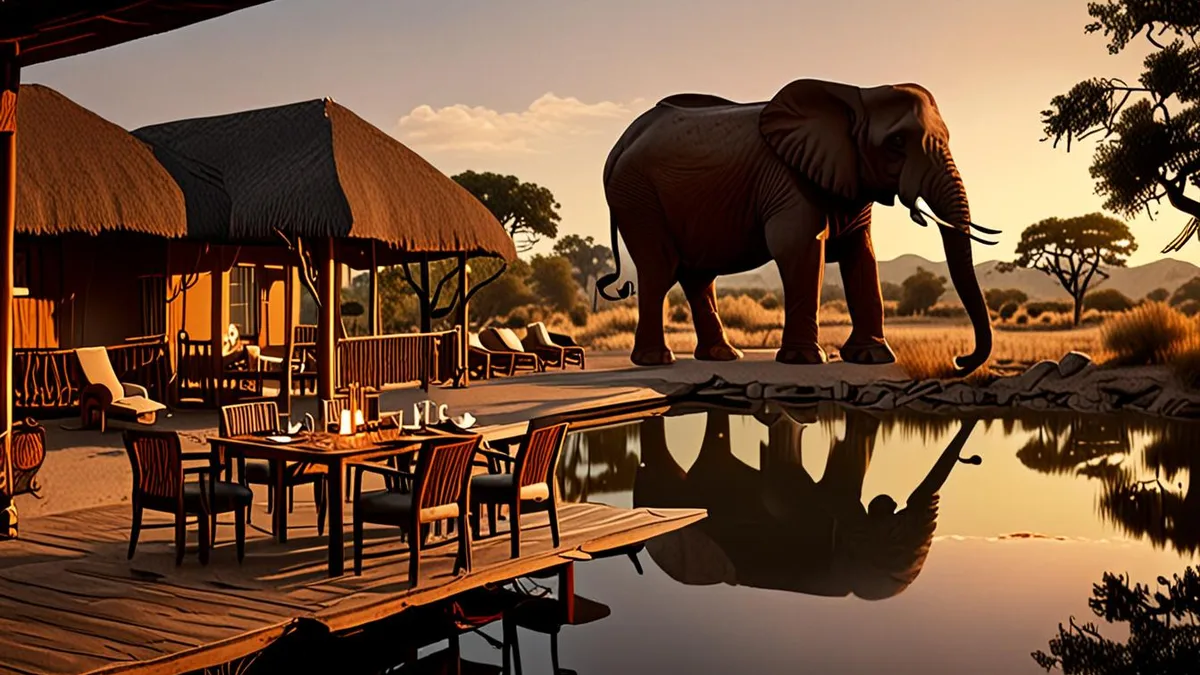
Finally, think about your downtime between drives. A room facing a busy waterhole can deliver hours of elephant and impala viewing without leaving your veranda, and an infinity-pool suite overlooking the plains is hard to beat at midday. If that kind of view appeals to you, this guide to suites with city infinity pools shows how memorable a well-placed pool can be, and safari lodges take the concept further with wildlife instead of skylines. Ask lodges directly which room categories face the waterhole or the river, as these tend to book out first.
Plan Logistics: Getting There and How Long to Stay
Getting to your lodge is a bigger part of the safari experience than most first-timers expect. The drive from Nairobi to the Maasai Mara takes about 5-6 hours, and much of the final stretch is on rough, dusty roads. It is doable in one day, but you will arrive tired, and a long transfer eats into your first afternoon of game viewing.
Flying is the alternative most safari-goers end up choosing. Bush flights from Nairobi’s Wilson Airport to Mara airstrips take roughly 45-60 minutes, and most lodges include a transfer from the airstrip to camp. The trade-off is cost: expect to add around $200-400 per person per flight leg, which adds up quickly for a couple doing a round trip plus a second destination.
However you arrive, give each lodge enough time. Plan on 2-4 nights per lodge as a typical stay. One night rarely works well: you spend much of it checking in and settling, and you only get one or two game drives before packing again. Three nights is a comfortable sweet spot for most first-timers, giving you a full day of drives plus flexibility if weather or wildlife is slow.
It is also tempting to string together four or five parks in one trip. Resist that urge. Kenya is bigger than it looks on a map, and road transfers between parks can swallow entire days.
- Ask whether your flight lands at the airstrip closest to your lodge. The Maasai Mara has several airstrips, and a “45-minute flight” can still be followed by an hour-long drive if you land on the wrong side of the reserve.
- Check luggage limits before booking bush flights. Small aircraft typically enforce strict weight limits per passenger, often with soft-sided bag requirements, so confirm the exact allowance with your operator when you book.
- Build buffer time around international connections. If your safari ends the morning your international flight departs, a delayed bush flight or rough road transfer could mean missing it; plan to overnight in Nairobi before flying home.
- Combine lodges that share an ecosystem or flight route. Pairing a Mara reserve lodge with a nearby private conservancy works well because transfers are short, letting you enjoy both experiences without a full travel day in between.
Final Checklist Before You Book
Feeling overwhelmed by Kenya’s dozens of parks, lodge styles and price tiers is normal for a first-timer, but the decision gets simple when you take it in order. Choose the park first, then the season, then the budget tier. Once those three are locked in, the shortlist of suitable lodges shrinks fast.
From there, your location and style choices do the rest: inside-the-park versus conservancy placement, and lodge versus tented camp, drive both the price and the experience you’ll have. Remember to book 6-12 months out if you’re traveling in July-October, and allow 2-4 nights per lodge so each park gets a fair chance. Get those basics right and the rest is detail. If this guide helped you sort out your first safari, leave a comment or share it with a fellow traveler.